Buying a used Audi TT
The points to watch when buying an Audi TT.
General presentation
Presented as a concept in 1995, the Audi TT Mk1 (code 8N) was produced from 1998 to 2006 in a 2+2 coupe and a 2-seater roadster. Its sleek and rounded design marked a turning point in Audi’s stylistic history. Based on the platform of the Golf IV and the A3, it focuses on style and efficiency more than on pure mechanical thrill.
| Highlights | Weak points |
|---|---|
|
Timeless design, become a classic. Careful interior finish, with aluminum and leather. Balanced road behavior, especially in the quattro version. Wide choice of reliable engines so well maintained. |
Rather neutral behavior, tendency to understeer. The 4 cylinders are relatively discreet in sound. The V6 is heavier and less dynamic. Some maintenance costs can be high. |
Models and Versions
| Model | Engine | Gearbox | Transmission | Coupe | Roadster | Notes |
|---|---|---|---|---|---|---|
| 150 hp 163 hp |
4-cyl. turbo 20v | Manual | Front-wheel drive | 8N3 0I4 8N3 0L4 |
8N9 0I4 8N9 0L4 |
Moderate performance version The 163 hp is quite rare |
| 180 hp 190 hp |
4-cyl. turbo 20v | Manual | Front-wheel drive | 8N3 054 8N3 0M4 |
8N9 054 8N9 0M4 |
The most common version, a good compromise The 190 hp is quite rare |
| 180 hp quattro 190 hp quattro |
4-cyl. turbo 20v | Manual | quattro | 8N3 05N 8N3 059 8N3 0M9 |
8N9 059 8N9 0M9 |
Not widespread, the quattro increases and reduces performance |
| 180 hp tiptronic 190 hp tiptronic |
4-cyl. turbo 20v | Automatic | Front-wheel drive | 8N3 05U 8N3 0MU |
8N9 05U 8N9 0MU |
Perfect for cruisers, but sporty box |
| 225 hp | 4-cyl. turbo 20v | Manual | quattro | 8N3 069 | 8N9 069 | The most sporty and sought after version |
| 240 hp | 4-cyl. turbo 20v | Manual | quattro | 8N3 069 | / | The Limited Series Quattro Sport, a collector |
| 250 hp DSG | VR6 | DSG | quattro | 8N3 0BL | 8N9 0BL | Rarer, but heavier model |
| 250 hp | VR6 | Manual | quattro | 8N3 0B9 | 8N9 0B9 | Rare and sought after model |
The choice remains wide: the TT Mk1 has been a real commercial success and its different versions remain, for the moment, well represented in the market of the occasion.
The first copies were the subject of an Manufacturer Recall Models registered before the year 2000 that have not benefited from this modification are very rare today.
In terms ofEquipment, and unlike the rest of the Audi range from the same period, differences between models — apart from Limited Series — depend more on the engine than on a predefined trim level. Thanks to the extensive catalogue of optionsAll versions can be configured with similar equipment, so you are not restricted to a single engine to find the ideal configuration.
Finally, although nearly 80% of the TTs were delivered in grey or black hues, combined with a dark interior, there are many more. Series Colorsas well as a wide range of Exterior Colours, of Types of saddlery and Interior Colours that deserve to be explored.
Check-list before purchase
Engine and Transmission
- 1.8T timing belt: replace every 5 years or 120,000 km (including the tensioner damper).
- V6 timing chain: if it has not already been replaced, check the chain tension value with VCDS.
- Turbo: check for black or blue smoke.
- Ignition coils and flowmeter: known weaknesses.
- Camshaft seal and tensioner: monitor for leaks.
- Thermostat: must allow the engine to quickly reach its operating temperature, but also to keep it there.
- QuattroHaldex): drain every 30,000 km, filter one drain out of two.
- Manual transmission: Recommended emptying beyond 100,000 km.
- DSG box: Make sure the mecatronic has already been replaced.
- Avoid vehicles that have undergone reprogramming without mechanical follow-up.
The mechanics are strong as long as they have been carefully maintained. Check the history of the Periodic Interview ideally with the presentation of invoices.
Running gear and steering
- Listen to noise on degraded roads (silentblocks, stabilizer bar, shock absorber cups).
- Check for leaks on the steering rack.
- Inspect 18” rims for internal cracks.
Bodywork and bonnet
- Examine the stockings: traces of rust may appear.
- Examine the spare wheel tray: no folds should be visible.
- Check the status of the headlights, especially on xenon versions (tarnishing, condensation).
- For the roadster: check the hood (rear window uncoupling, sealing) and the presence of the hood cover.
- Ensure proper operation of the heated mirrors.
As with any used vehicle, it is necessary to check the alignment of the body elements. The visibility on board the TT is not the best, so dwell on the rear part of the body and check the presence of small shocks.
Habitacle and equipment
- Central display: pixels that are often defective.
- Check the operation of the windows (automatic descent when opening doors).
- The trunk lock must transmit the information to the on-board computer.
- Test heated seats (seat and backrest).
- Concert I car radio: sometimes cold volume concerns.
- Check the condition of plastics and the presence of storage lids.
- Check the presence of the instructions (car, car radio, GPS, etc.) and the maintenance book.
On the roadster, check the proper functioning of the elements controlled by the "comfort module" J379 (centralization, ceiling light, gas hatch, trunk, hood). Its replacement is expensive
Miscellaneous
- Check the presence of the four keys (2 remote controls, workshop key, wallet key) as well as the code card.
- No engine or ABS lights should remain on after starting.
- A VCDS diagnosis is recommended before purchase.
- Points of attention on Youtube: volkswizard
Common Problems in Pictures
Driver's seat
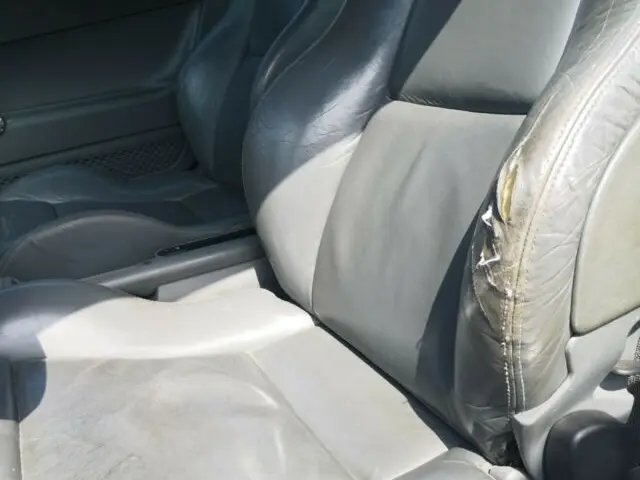
The left boulelet of the driver's seat is exposed to friction with each ascent and descent in the vehicle. It is often damaged.
Combined instrument
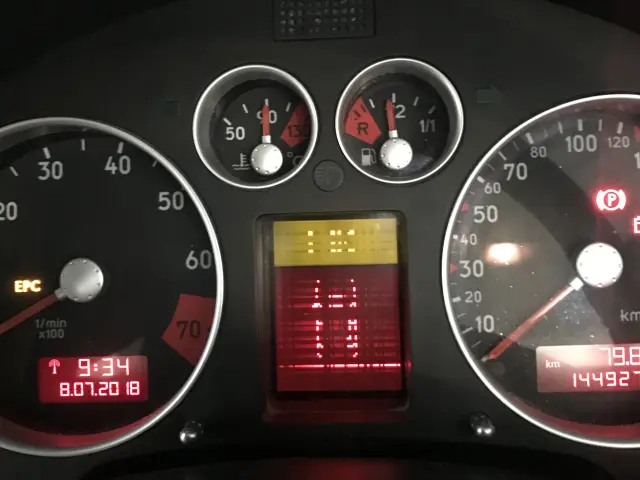
The instrument cluster is rather fragile, the screen loses pixels, and the temperature and fuel gauges can shift.
Rear spoiler

The spoiler is fixed by 3 screws to the trunk / tailgate of the vehicle. The sealing of the fixing holes is not always perfect, especially when the spoiler has been added after leaving the factory.
Stockings
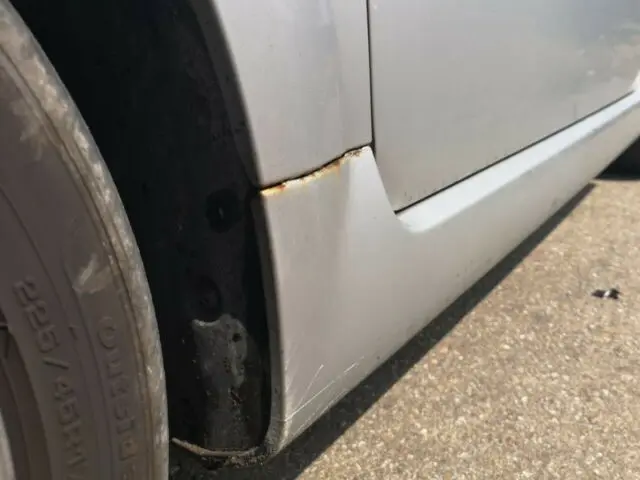
The mud builds up behind the wheels, and regular disassembly and cleaning is necessary to prevent rust.
Roof Rods
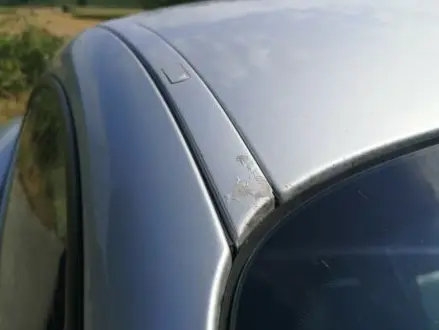
The roof chopsticks of the coupe are made of aluminum. They do not rust, but blisters can appear in different places.
Soft top

With age and storage conditions, the hoods fatigue. Wear appears at the folds and the glass tends to peel off.
Convenience control module
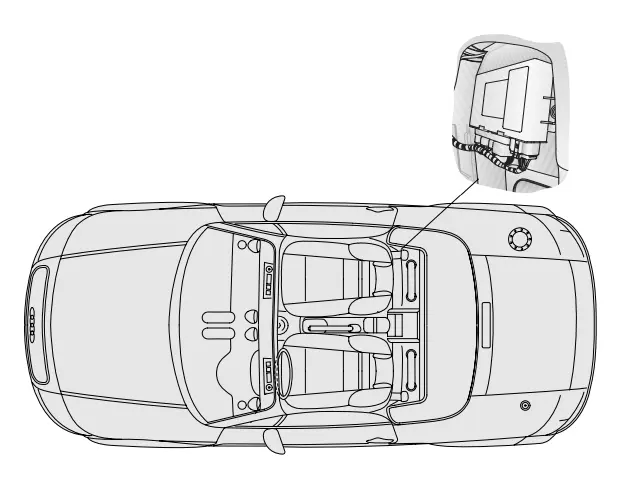
The Comfort Module J379 is particularly sensitive on the Roadster, it can take moisture if the hood is not totally waterproof.
The symptoms are the malfunction of one or more of these elements: centralization, ceiling light, gas hatch opening, opening of the trunk, opening of the canopy.
Cooling fans
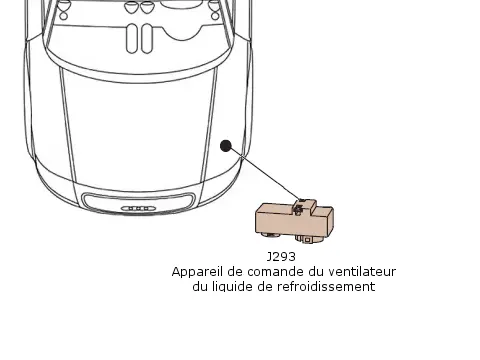
The fan control unit J293, installed under the battery, may fail in the "off" position and never engage the cooling fans.
This causes the car to overheat.
Door lock
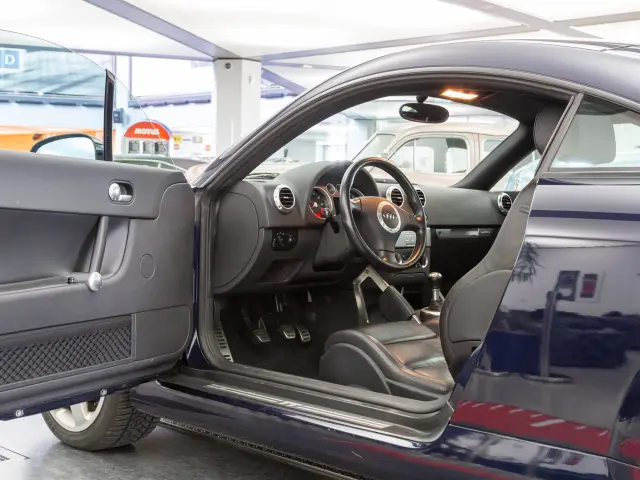
The door locks are equipped with a micro-interruptor that lowers the window by a few millimeters when the door is open and raises it when it is closed.
When the micro-switch is defective, when the door is opened, the ceiling light does not turn on and the window does not lower.
Officially, you need to replace the entire lock.
Keys
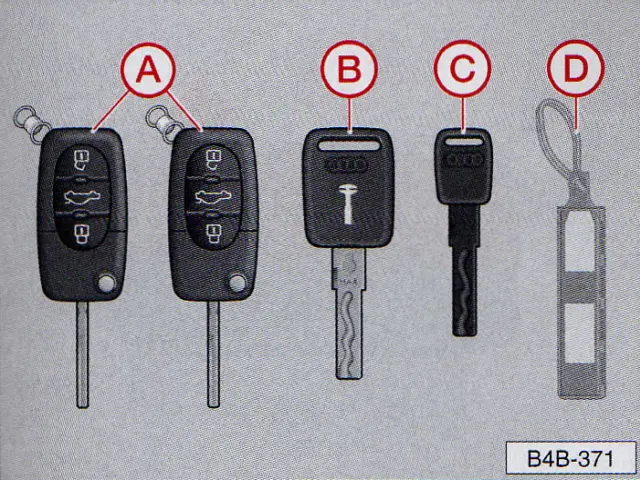
The TT was delivered with 4 keys:
- 2 remote control keys (A)
- 1 workshop key (B)
- 1 wallet key (C)
- the code card (D)
Summary
The Audi TT Mk1 is an interesting choice for those looking for a small, elegant and well-built coupe or roadster. Rigorous maintenance monitoring is essential, as is the avoidance of unprecauted modified copies. Prioritize the 2002 and subsequent model years (identifiable from Serial No) for their technical developments.