Audi G-TT and Aurora — The GT2 and GT1 projects
1997 — Richard Lloyd et Peter Stevens
Peter Stevens is a British automotive designer best known for styling the McLaren F1 road car. In late 1996, while the TT coupe was still in development, he rode for a few laps around an Audi test track in an experimental mid-engined V8 TT developed by Ulrich Hackenberg’s team. Around the same time, he and Richard Lloyd worked on two GT projects for Le Mans: the G-TT for GT2 and Aurora for GT1.
In the 1990s, GT2 was a class for grand touring cars derived from road models, such as the Chrysler Viper GTS-R. GT1 was the fastest GT class. Its rules allowed more radical cars, some designed for racing first and then adapted for road use to meet homologation requirements, such as the Porsche 911 GT1.
See also the page on the rear mid-engined V8 TT prototype.
G-TT, a GT2 in the spirit of the TT
Presented to Audi in January 1997 with the 1998 season in mind, the G-TT echoes the shape of the TT coupe. The project envisaged a road car and a race car eligible for the GT2 class at the 24 Hours of Le Mans.
Nigel Stroud oversaw the design, Jim Router and Gerry Booen handled the engineering, and Peter Stevens worked on the styling and aerodynamics.
Proposed specifications
Both versions were to have a mid-mounted twin-turbo V8 and a six-speed sequential gearbox suited to their intended use. The proposal specified an aluminium honeycomb and carbon-composite monocoque, double-wishbone suspension with inboard coil springs and dampers, four-piston Brembo calipers and a 100-litre fuel tank.
- Race version. Target weight of 900 kg, race gearbox, one-piece OZ magnesium wheels, and carbon-composite body and interior panels.
- Road version. Target weight of 1,000 kg, planned output below 450 bhp, road gearbox, OZ aluminium wheels, and bodywork combining aluminium and carbon composite. The interior panels were to combine carbon and glass-fibre-reinforced composite with leather trim.
Audi was to develop the engine and transmission, including race development, emissions certification, gearbox durability testing and drive-by noise certification.
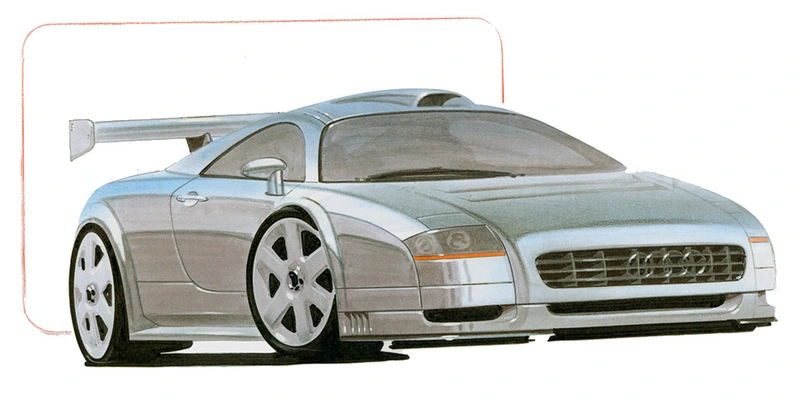
Sketch of the G-TT road version
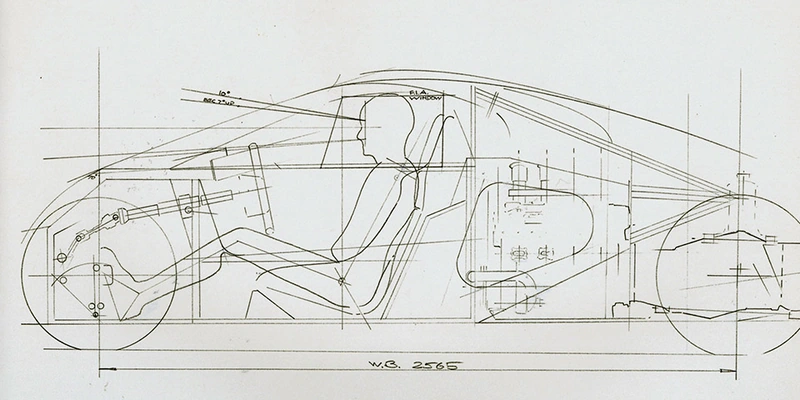
Layout drawing of the G-TT road version
Aurora, a GT1 designed for Le Mans
The McLaren F1 GTR’s win at Le Mans had shown that a GT1 car could take overall victory. For Aurora, also called R8 GT in Stevens’s account, the team first defined the requirements of the race car and used them to draw up the specifications for a road version.
Work began in late 1996. By February 1997, the team was testing in a rolling-road wind tunnel to study the trade-off between downforce and drag. It also built a full-size cockpit mock-up and presented the study to Audi management.
Audi ultimately turned to endurance prototypes. Richard Lloyd’s team went on to help develop the closed-cockpit R8C, which entered the 1999 24 Hours of Le Mans alongside the open-cockpit R8R.
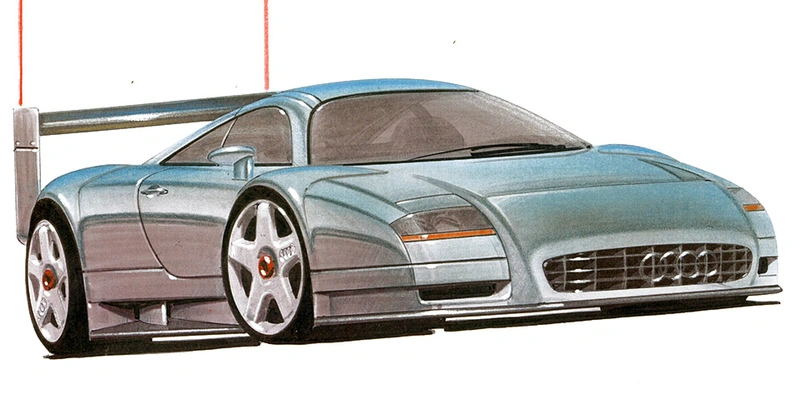
Front view of the Aurora GT1 study
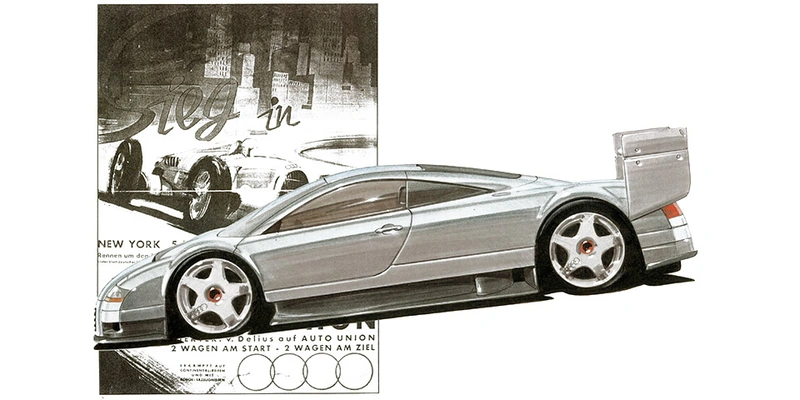
Study of Aurora’s road and race versions
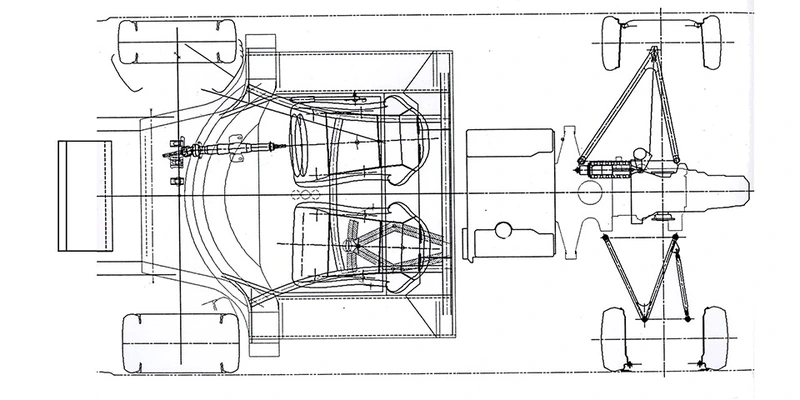
Layout drawing of the Aurora GT1
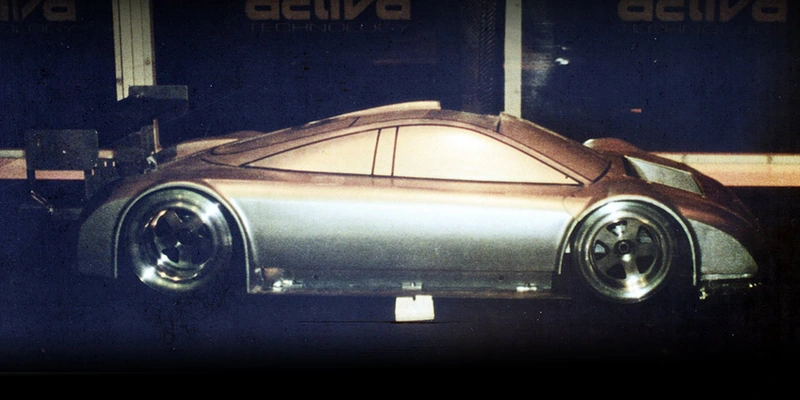
Aurora GT1 wind tunnel model
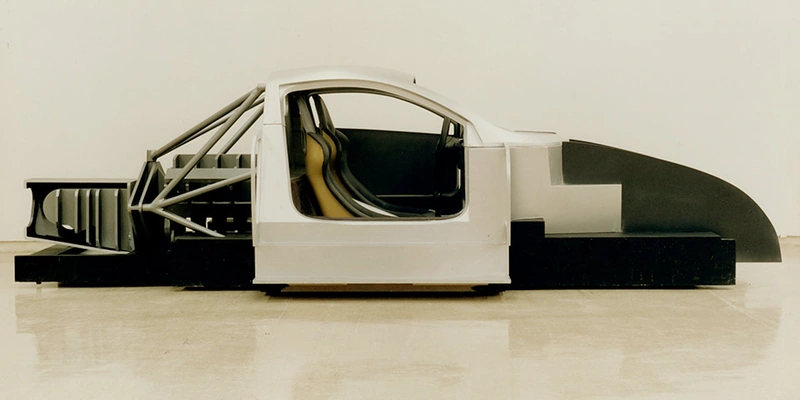
Cockpit mock-up for the Aurora road versiona
Sources: Articles and images from fourtitude.com.
All Audi TT Mk1 models
Prototypes
- Projet 297
- Coupe
- Roadster
- V8 Coupe
- G-TT and Aurora
- Monoposto
- Biposto
- TT-R
- TT-R DTM
- RS V6 Biturbo
- Open Sky
- Bimoto
Customisations
Production models
- Coupe 150 PS
- Coupe 163 PS
- Coupe 180 PS
- Coupe 180 PS quattro (5-speed)
- Coupe 180 PS quattro
- Coupe 180 PS tiptronic
- Coupe 190 PS
- Coupe 190 PS quattro
- Coupe 190 PS tiptronic
- Coupe 225 PS
- Coupe 240 PS
- Coupe 250 PS DSG
- Coupe 250 PS
- Roadster 150 PS
- Roadster 163 PS
- Roadster 180 PS
- Roadster 180 PS quattro
- Roadster 180 PS tiptronic
- Roadster 190 PS
- Roadster 190 PS quattro
- Roadster 190 PS tiptronic
- Roadster 225 PS
- Roadster 250 PS DSG
- Roadster 250 PS